
SandBoxBible
Put yourself
in the story.
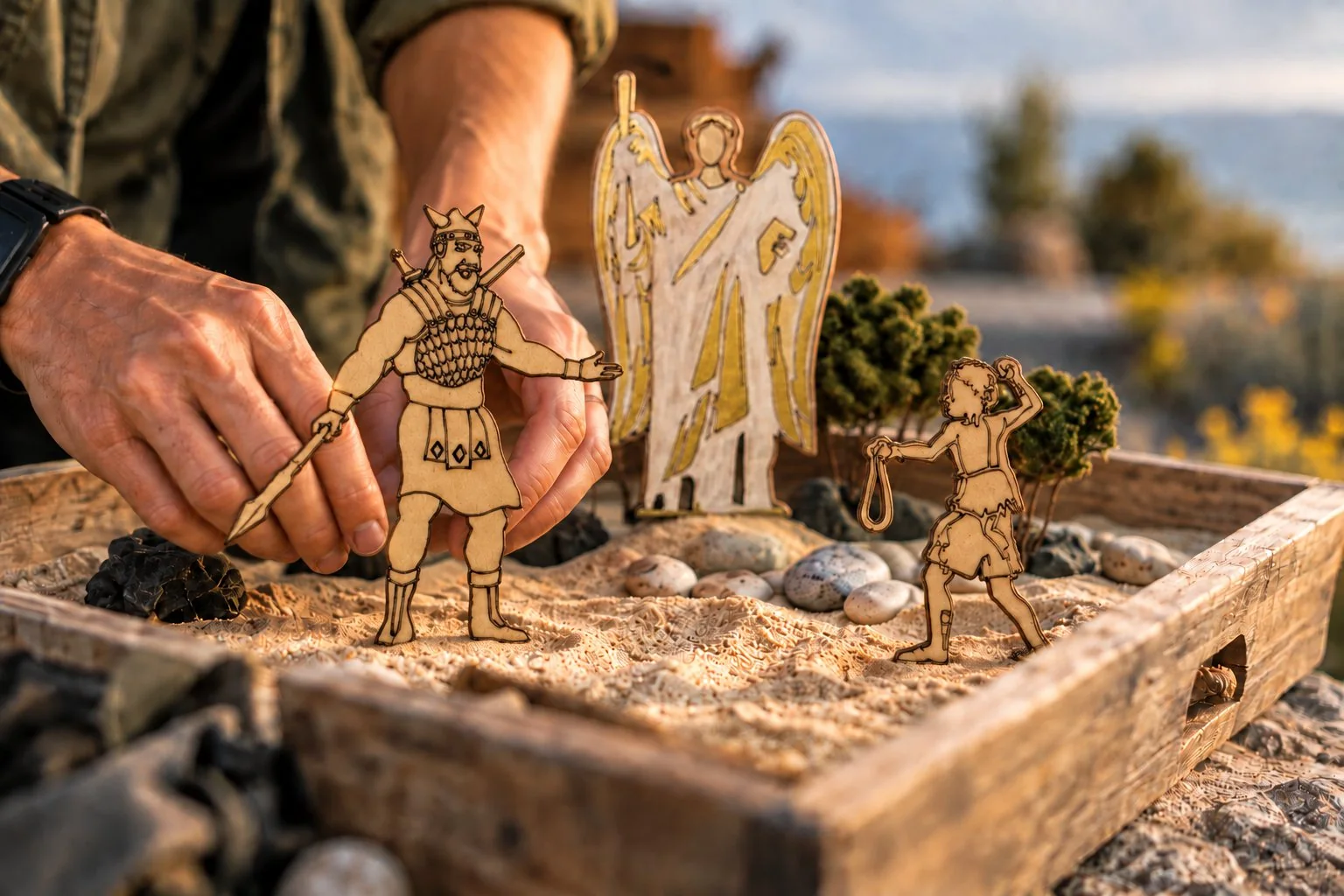
A Bible story, in a box. Wooden figures and sand make room to hear, see and enter the story.

Three boxes,
available now.
Every box includes wooden figurines, instructions and an index list. Custom boxes can be made to order.
For Bible study leaders, Sunday school teachers and church planting teams.
01
Outreach box
A SandBoxBible box for taking Scripture stories into outreach settings.
R450
suggested contribution
02
Full box
The full SandBoxBible box. Ask Sarah about its current contents when you enquire.
R900
03
Sunday School box
Designed around children’s Bible stories from the Old and New Testaments.
R950
Collect in Still Bay, or arrange courier delivery.
Wood. Sand.
Scripture.
These are Sarah’s real wooden figures. Each one gives a story a visible place in the sand.
- Wooden figurines
- Instructions
- An index list
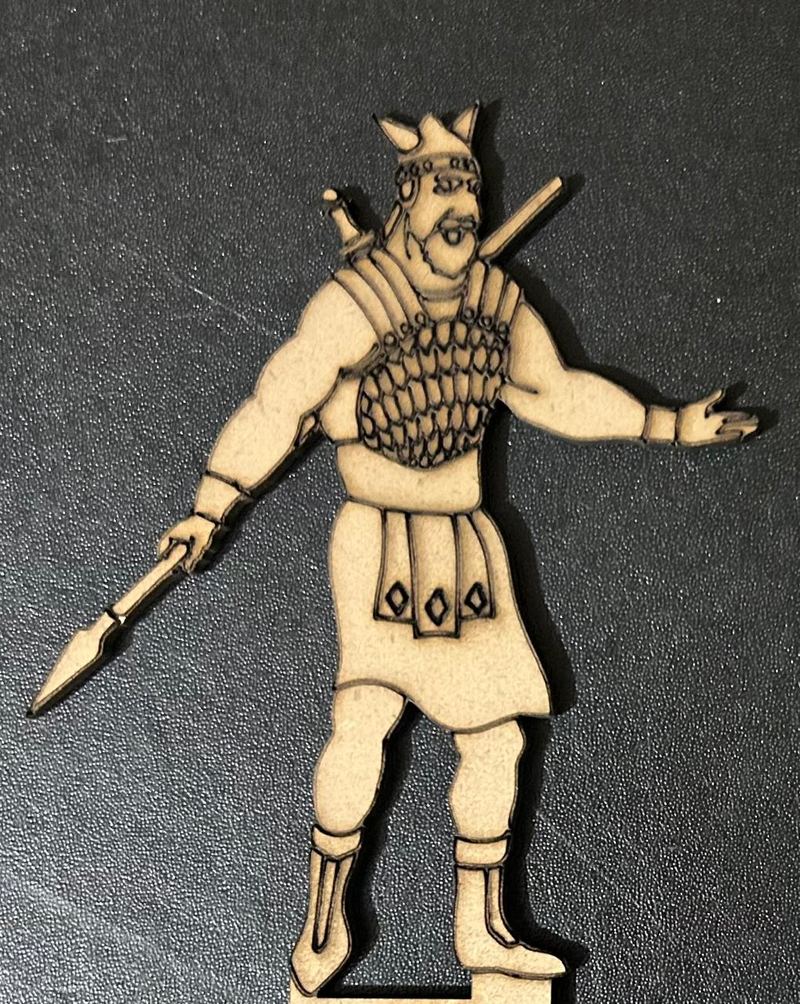
Goliath
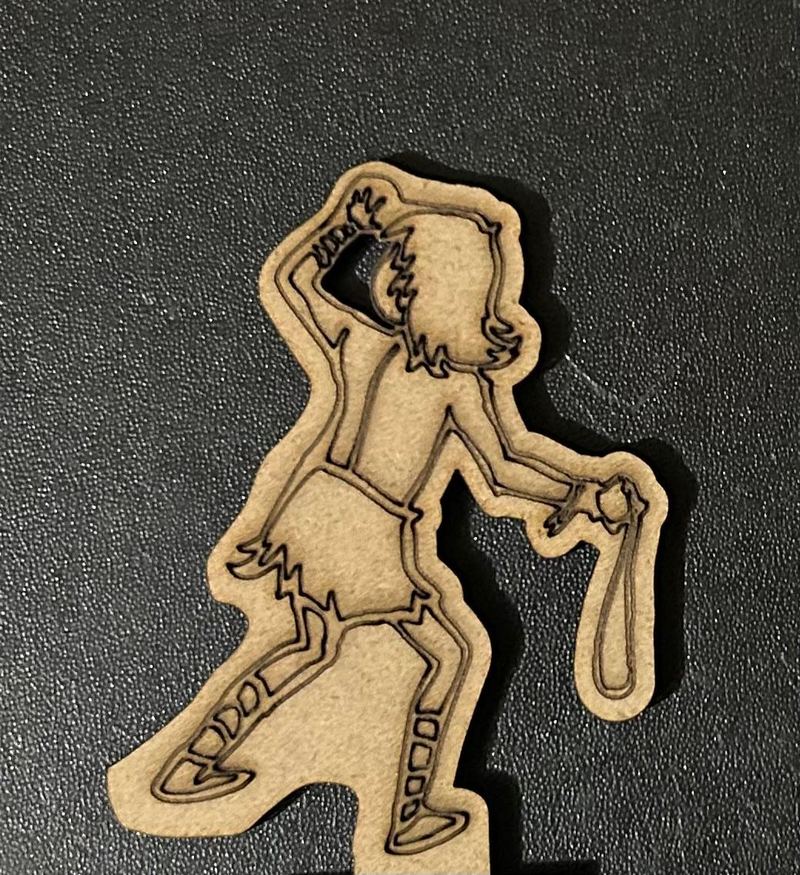
David
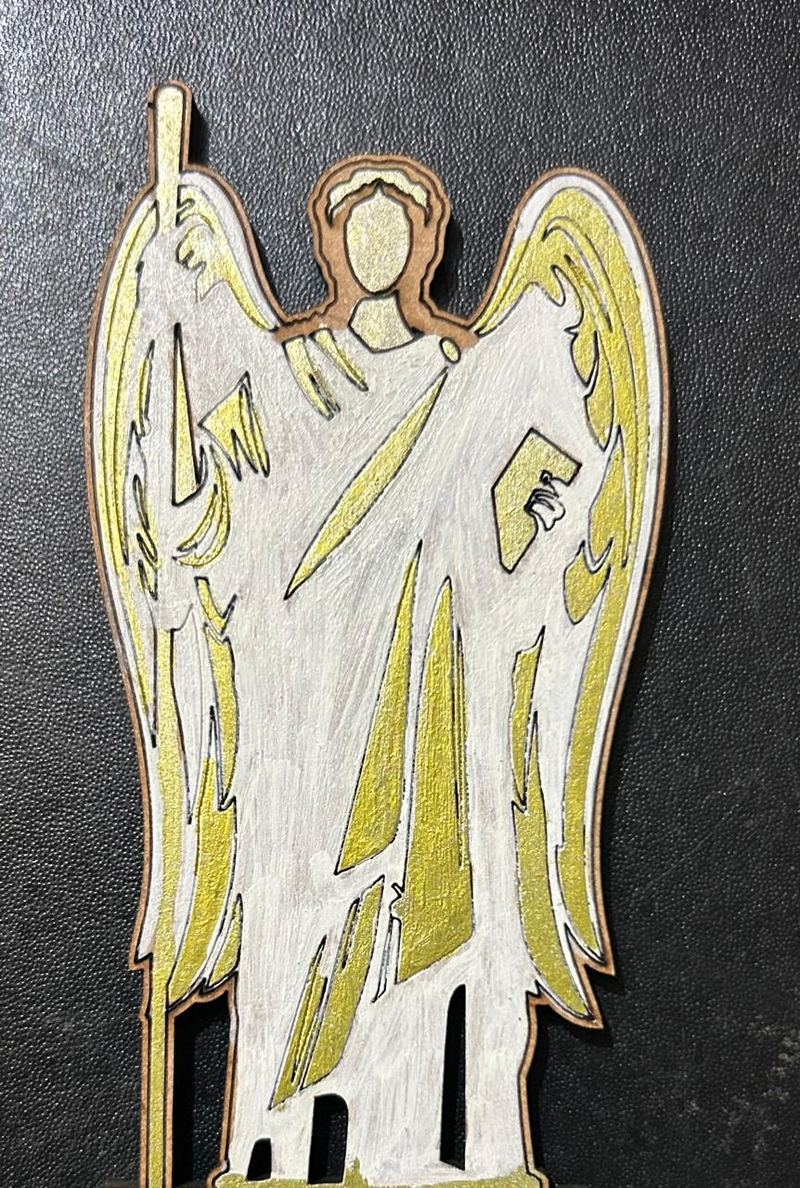
Angel
The exact selection depends on the box you choose.
The sand is just dust; the wood is just trees. It is the Presence in the midst of the box that does the work.
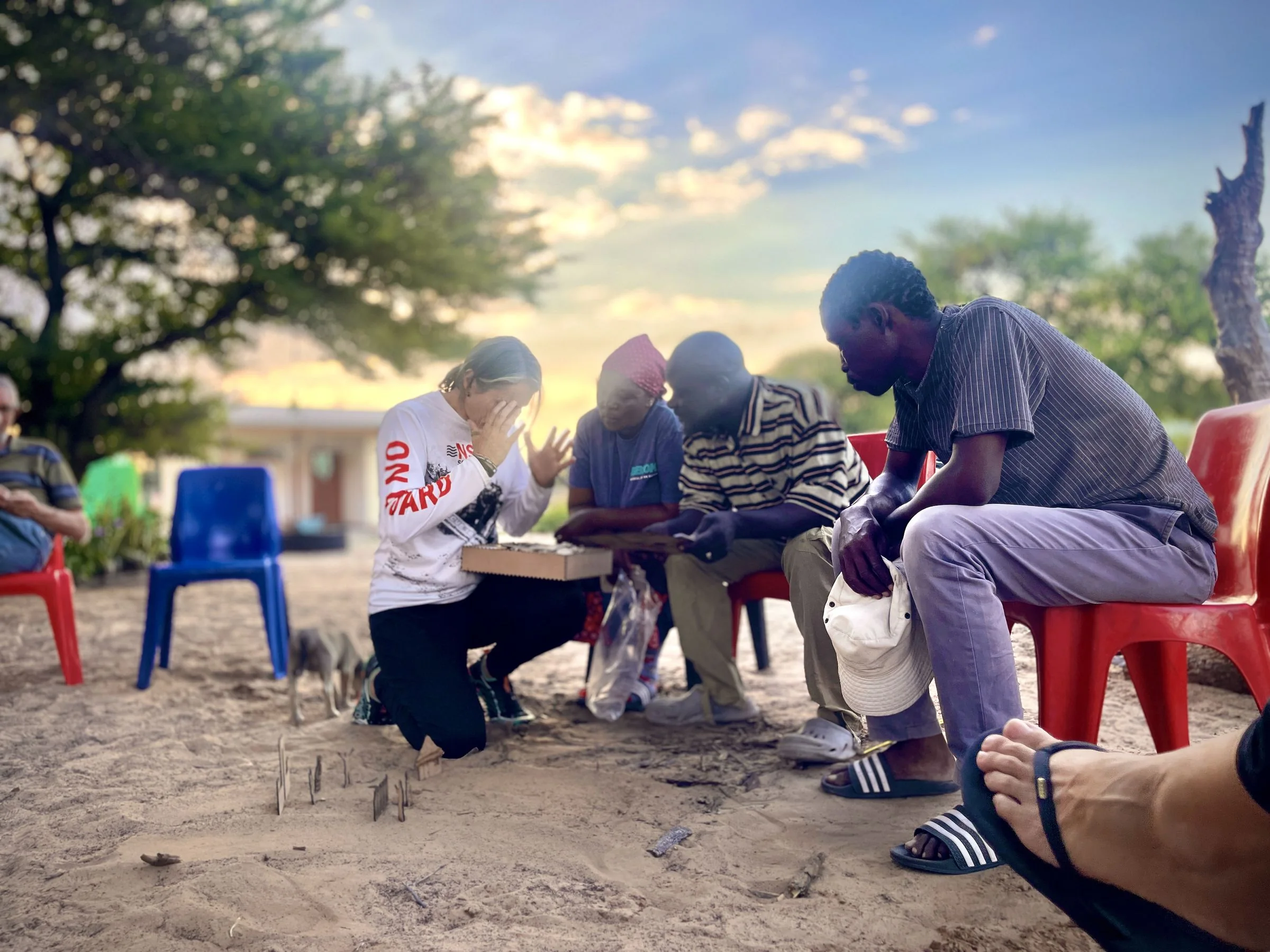
Read the passage.
Build the scene.
See where you find yourself in the story.
01
Hear
Read or listen to a passage of Scripture together.
02
Build
Set out the wooden figures as the story unfolds in the sand.
03
Place
Consider where you find yourself in the scene and what you notice there.
04
Listen
Make space to reflect, pray and share what the passage brings to mind.
A SandBoxBible box is a tool for engaging with Scripture. It does not qualify anyone to provide therapy or prayer ministry; facilitator training is a separate course.
Built with
five stones.
The five foundations of the SandBoxBible method.
Lectio Divina
A reflective reading from the 3rd century: a practice of Bible reading, meditation and prayer, intended to promote communion with God and to increase the knowledge of God’s word. It does not treat Scripture as texts to be studied but as the Living Word.
Theophostic Prayer Principles
A Christian counselling method.
Sandplay Therapy
A psychological therapy to help process trauma in sand.
The Orality Movement
The telling of stories in any language.
Logos becoming Rhema
Understanding how to facilitate Logos becoming Rhema: hearing God speak.
Logos and
rhema.
The Bible uses two different Greek words for the word of God. Logos refers to the constant, written word of God, which we have recorded in the Bible. Rhema is the instant, personal speaking of God to us.
God wants to communicate with us not only through His written word but also by speaking directly to us in our particular situations. It is by the rhema word that we can know God subjectively and experientially. Both logos and rhema are crucial to our Christian life, for God uses His logos Word to speak His rhema word to us.
Which Scripture speaks about rhema?
“He answered and said, it is written, Man shall not live by bread alone, but by every word (rhema) that proceeds out of the mouth of God.” Matthew 4:4
If we just read the written word, logos, but do not wait for God to speak to us, we miss out on our daily bread to live on. It is when we remind God of the rhema words He gave us that we start to see prayer being answered. John 6:63 and Ephesians 5:26 are also rhema and not logos.
A session,
step by step.
A SandBoxBible facilitator learns two things: how to tell Bible stories with impactful practical application in rice or sand, and how to go deeper with personal journaling in a time of trauma.
Step 1
Prepare
Read the passage before the group gathers and find the wooden pieces that will be used to represent the chosen Bible passage.
Step 2
Build relationship
Ask your group at arrival:
- What are you thankful for this week (one or two things)?
- What are your struggles or needs for the week (one or two things)?
- How can we as a group pray for you and/or meet any of those needs this week?
Step 3
Read and listen, verse by verse
As you read, place the chosen wooden figures in the sand to portray the story as you read it. Move the pieces as the story unfolds. If you can, include the group in this process.
Then ask the group to ponder the historical story. Once the story or parable is portrayed in the sand, think about what it meant to the original audience and discuss for a few minutes. It is simply putting yourself in the shoes of the story without changing it.
Step 4
The three questions
The facilitator asks these while people think about them first:
- What does this tell us (reveal) about God?
- What does this tell us (reveal) about humans?
- What does this tell us (reveal) about God’s plan?
Step 5
Key step
Find yourself in the story
Each member finds a wooden figure that would represent them in the box. Who do I identify with in the story today? Place a toothpick representing you there in the sand. For example: I can be one of the disciples, or the sick man, or next to Jesus, or far away in a desert removed from everyone.
- How does it make me feel to be here? Do I feel happy, mad, sad, glad, confused, curious, or anything else?
- What story in your personal life do you connect this to now?
- Where do you see Jesus now? Is he far or near? Is he inside the box or perhaps outside of the box?
- What do you think he is saying to you personally today through this passage?
Share with one another.
Step 6
Pray
If your group is new to prayer, go in a circle. Ask each person to think of one thing they can thank God for. Once the person is done, the next person can pray.
Keep it safe.
- Keep it short.
- Never touch someone else’s image while they explain what is going on for them in the box.
- Do not interrupt or quote Scripture to help someone hear what God might be saying. Just listen. Keep a safe environment going.
- In a difficult situation, you can simply respond by saying: “Thanks for sharing so honestly.” Then move to the next person.
Getting a box
Where will your
box go?
Tell Sarah which box you’re interested in, where you need it delivered or collected, and whether you have a custom request.
Prefer WhatsApp? +27 60 717 0429 / All contact details
- Available now
- Custom boxes made to order
- Collect in Still Bay
- National or international courier delivery
Planned for 2027,
in Still Bay.
URstory is planning a one-week SandBoxBible facilitator training in Still Bay in 2027. Details will follow when dates and places are confirmed.
The facilitator method.
- Telling of Bible Passage
- Lectio Divina Integration
- TPM & Immanuel Protocol
- Sandplay Assessment
- Synthesis Conversation
Sarah Beriyth is the founder of URstory SandBoxBible. YWAM since 1997, MA in Spiritual Formation, BA in Biblical Studies.
Immanuel journaling: seven steps for time alone with God
Go deeper when you are alone with God.
Immanuel journaling is a writing exercise or practice that helps us to explore our life events, especially our interior life, including our thoughts, feelings and body sensations, with our GOOD God, Immanuel. It is a simple process to help you become aware of God’s compassionate presence in the painful as well as mundane moments of your life.
Slowing down enough to pause, give thanks (if you are able), and then follow an elegant process of sensing God’s response has been transformative to people across the nation and the world. People continue to share stories of peace and transformation as well as reconciling relationships.
The core steps of the exercise
- Pause and quiet your heart: slow down to transition away from daily stress and distractions.
- Express gratitude: write down specific things you appreciate or are thankful for, reflecting on God’s goodness.
- Share your current state: note a specific situation, memory, or heavy emotion you are carrying right now.
- Write God’s response: shift your perspective and write down what you sense God saying back, focusing on how He sees you, hears you, understands your feelings, and rejoices in being with you.
The key goals of the practice
- Process emotions with God: learn to metabolize difficult feelings rather than burying them.
- Build relational connection: move past simple petition prayer into a fluid, conversational rhythm with the Holy Spirit.
- Test insights against Scripture: ensure that any impressions written down align completely with biblical character and truth.
Step one: interactive gratitude
Write anything I appreciate and then write God’s response to my gratitude. Play the music as you start.
Step two: “I can see you…”
Write from God’s perspective what he observes in you right now, including your physical sensations. Example: I can see you at your desk. Your breathing is shallow and your shoulders are tight.
Step three: “I can hear you…”
Write from God’s perspective what he hears you saying to yourself. Example: You are wondering if I will speak to you and how you would ever know. You are discouraged and tired. Or: You woke up full of energy this morning. You are ready to take on the world. Your mind is buzzing…
Step four: “I understand how big this is for you”
How does God see your dreams, blessings, or upsets and troubles? Example: I want you to know that I care about what matters to you. Your desire to honor me brings me great pleasure… Or: I understand how intimidated you feel. This situation feels all-consuming to you, as if you are about to sink…
Step five: “I am glad to be with you and treat your weakness tenderly”
How does God express his desire to participate in your life? Example: Your dreams are precious to me. I fill you with life each day and really enjoy your desire to… Or: I see your discouragement after yelling again. Times when you are frustrated and tired are when I want to be closer to you…
Step six: “I can do something about what you are going through”
What does God give you for this time? Example: Come away with me. I offer you times of refreshing, new energy, and vision. Or: I will strengthen you. Remember how your friend encouraged you last week? With me, you are not alone…
Step seven: read it aloud
Read what you have written aloud, preferably to someone.
Not sure what to write about in step four?
Choose one of these prompts to open up your journaling session.
- For anxiety: “Lord, the thing that is driving my racing thoughts or making my chest feel tight today is…”
- For relational friction: “Lord, I am holding onto tension regarding [name]. What happened was… and it made me feel…”
- For feeling stuck: “Lord, I feel completely blocked or paralyzed when it comes to making a decision about… because I am afraid that…”
- For sadness or grief: “Lord, I am carrying a heavy sadness today about… It feels like I’ve lost…”